

Little Metal Foxes
Intro to Glass Clay for Jewelry with Helen Cowart, Mar 14, 2026
Intro to Glass Clay for Jewelry with Helen Cowart, Mar 14, 2026
Couldn't load pickup availability
Saturday, March 14, 2026
3:00 - 5:00 pm PDT
Instructor: Helen Cowart
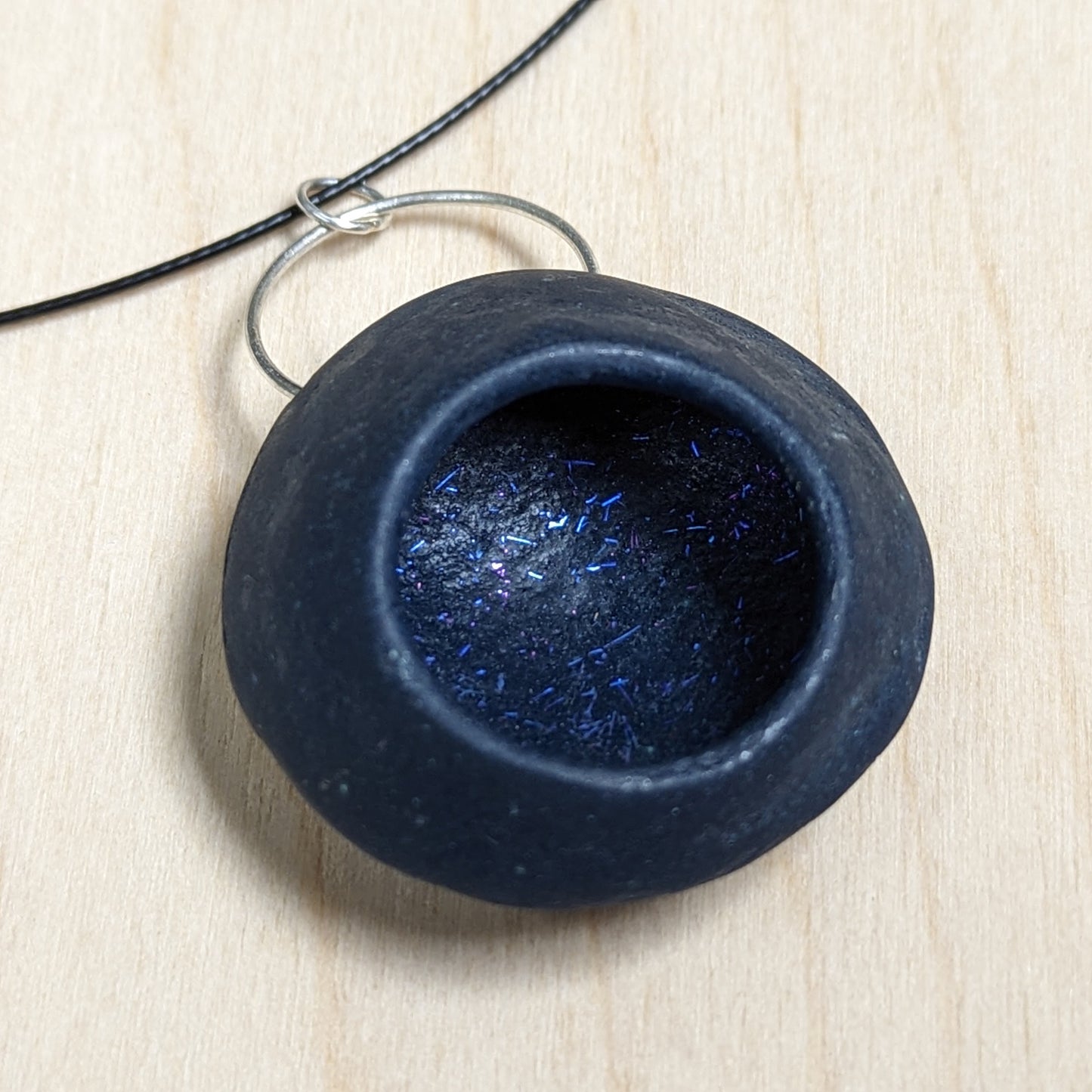
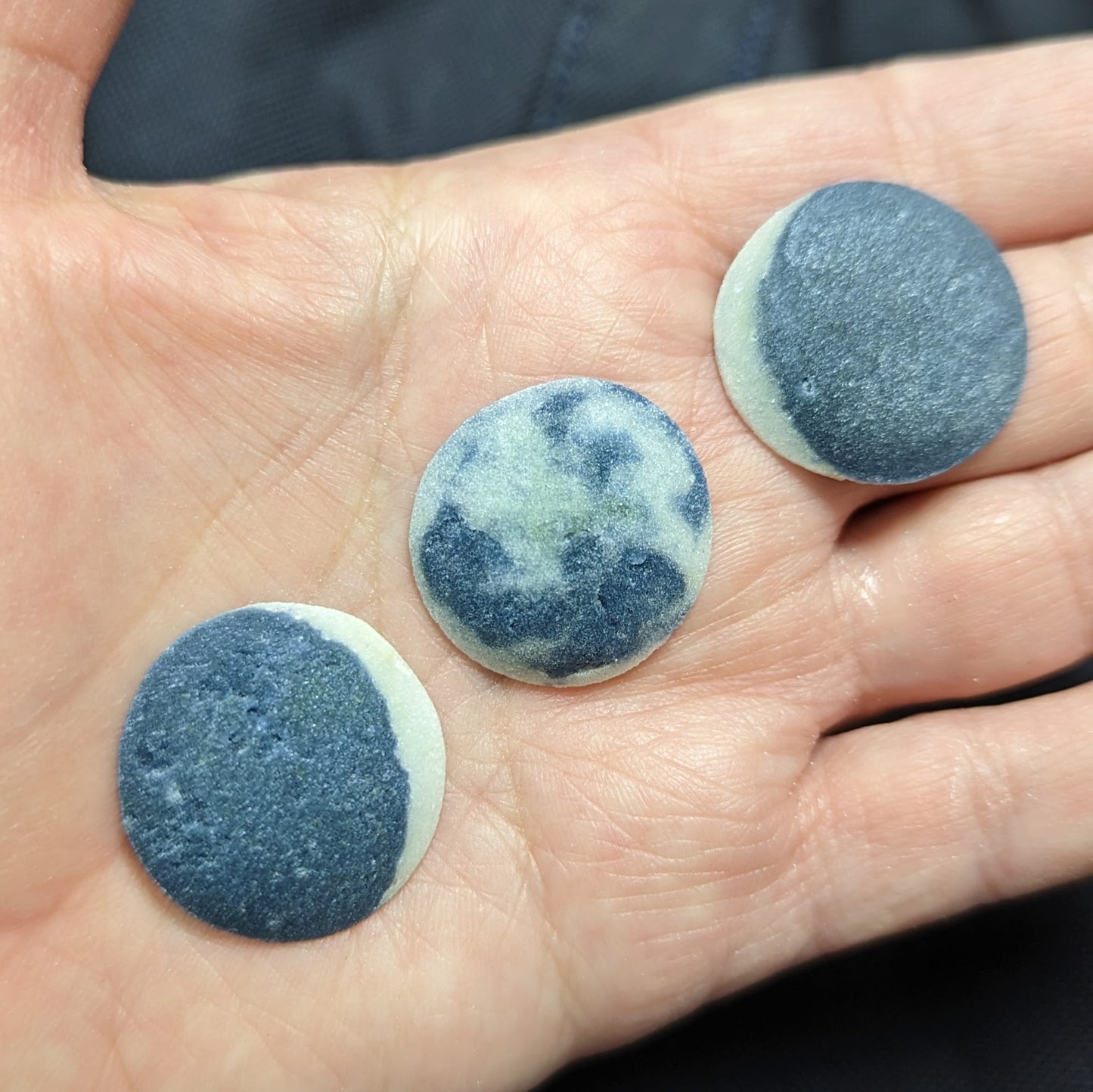
Glass is a magical material—capturing, refracting, and transforming light in endlessly fascinating ways. In this class, you’ll learn how to combine frit (powdered glass) with a binder to create a moldable “glass clay.” Using this versatile material, you’ll be able to craft your own jewelry pieces and unique components.
Through demonstrations, we'll explore:
- How to use molds for shaping
- Essential tools for working with glass clay
- Techniques for adding decorative elements
All levels
All classes include the video recording, which you will have access to for 60 days after the class. The Zoom link, handouts, video(s), and other important information can be found by clicking on the individual class link on the "My Courses" page. The Zoom link and handout (if any) will be available 24 hours before the class starts.
You also get 1 free session of Open Studio Access (OSA) in the month following your class, the Zoom link can be found on the course video access page.
The class supply list is below and contains links to buy the supplies you need.
Supply List for Students
Use the links below to purchase any supplies you don't already have for your class. This site may contain Amazon and other affiliate links. If you purchase something through the link, at no cost to you, we may receive a small commission on qualifying purchases.
Recommended Materials and Tools:
NOTE: When choosing your glass, please pay attention to the CoE number, typically 90 or 96 for fusing. CoE, or coefficient of expansion, is a small but very important factor in fusing. Glasses of different CoEs generally cannot be mixed and will result in stress fractures and breaks.
- Glass Bird Modeling Clay kit
- A selection of 1-4 different colors of powdered glass frit. Delphi carries Bullseye (CoE 90) and Spectrum (CoE 96) glasses.
- Distilled water
- Standard kitchen measuring spoons
- Small bowl for mixing the glass clay
- Small spatula, craft popsicle stick, or other stirring/mixing tool
- Jewelry cabochon (or other shapes) silicone mold, choose something simple
- N95 dust mask
- Safety glasses
- A kiln, this list starts with the least expensive: **
- Ultralite Beehive Pro Studio Kiln, Rio Grande. I strongly recommend purchasing the dial controller ($33).*
-
Skutt FireBox 8 Kiln - (dial/pyrometer), Clay-King
-
Rapidfire Standard Pro-L - (digital temperature setting, but not programmable, better than a dial-controlled kiln), Tabletop Furnace
-
Rapidfire Standard Pro-LP- Tabletop Furnace
-
Olympic Hotbox HB64 Kiln w/3 Key Controller - Soul Ceramics
-
Olympic Hotbox HB64 Kiln w/3 Key Controller - Sheffield Pottery
-
Evenheat Studio Pro STP Kiln - Rio Grande
-
Olympic Hotbox Kiln w/3 Key Controller - Sheffield Pottery
- Olympic Kiln 126GFE - Soul Ceramics
- Paragon SC-2 - Delphi Glass
- Kiln shelf - this depends on the size of your kiln and it will usually come with your kiln.
- 1/2" Kiln Posts - 4 Pack (ceramic supports) - also usually comes with your kiln.
- Kiln separator paper - Use Bullseye Thinfire or Spectrum’s Papyros
- Glastac by Bullseye. Elmers or wood glue will also work but use sparingly or it will leave a residue.
- Pencil and paper for sketching and note-taking
- Cling wrap
- Small airtight container
Optional Materials and Tools
- 1-2mm white CZs
- Fine frit
- Coarse frit to make frit balls or as a decorative addition
- Quartz sand - this will be used to support certain 3-dimensional objects
- Container to hold quartz sand (stainless steel, unglazed porcelain, or terracotta container)
- Triple Ripple diamond drill bit
- Diamond drill bits (coring bits)
- Bullet burr diamond drill bit
* I think this is a good piece of equipment to try. It can also be used for PMC, keum boo, and enameling. I also strongly recommend getting an infrared thermometer (Amazon) to monitor the kiln's temperature.
** I recommend a small enamel kiln with a digital controller. You can use it for fusing, enameling, PMC work, and heat-hardening metals. You can use a kiln with a dial, but you will need a pyrometer and to watch it constantly, which is very time-consuming and inconvenient.
There are quite a few kilns that can be plugged into a regular 15-amp household receptacle. It is essential to check your workspace’s circuit panel to make sure it can handle the amperage of the kiln you want to buy.
Share